Lamb Loin Stew with Sun-Dried Tomatoes and Butter Beans

Posted on Saturday, November 1, 2008
Other notes about: Recipe of the Month

Wine bottles at Sawtooth Winery in the Snake River Valley in Idaho.

Lamb Loin Stew with Sun-Dried Tomatoes and Butter Beans

Varietal: Cabernet Sauvignon

Serves 4

Mike Neuffer, a successful third-generation homebuilder from Reno, Nevada, who’s had a lifelong passion for wine and describes himself as” a part-time cellar rat,” just felt like he was home when he first discovered the Walla Walla Valley in 2000. He bought the  parcel of land that would become Nicholas Cole Cellars in 2001, planted estate grapes, and waited for his first harvest in 2005. Meanwhile, assisted by mentor and friend Chris Camarda of Andrew Will Winery fame, the two used grapes from some of the best vineyards in the state to craft carefully blended, Bordeaux-style red wines.

Today, he makes award-winning wines under both the Nicholas Cole and GraEagle labels. The winemaker’s lamb stew—a toothsome, Mediterranean-leaning concoction of lamb, sun-dried tomatoes, and buttery-big beans—is one he has served at all of his Holiday Barrel Taste Weekends, although “stew” may be a bit of a misnomer, since it’s a refreshingly quick-cooking dish. Mike reports, “It has garnered rave reviews from my customers, some of whom have threatened bodily injury if I refuse to share the recipe with them. The second year I had it printed up and available upon request.” Serve with a hearty Cabernet Sauvignon and feel your body warm and spirits rise against the winter gloom.

3 tablespoons olive oil

2 cups chopped yellow onion

2 large cloves garlic, minced

1 pound boneless lamb loin, trimmed and cut into 1/3-inch strips

1/2 teaspoon kosher salt, plus extra for seasoning

1/4 teaspoon freshly ground black pepper, plus extra for seasoning

10 sun-dried tomato halves packed in oil, drained and cut into thin strips (San Remo brand recommended)

1/2 cup chicken stock or reduced-sodium chicken broth

1/2 cup loosely packed fresh basil leaves, stacked and rolled like a cigar and cut into thin strips

1 15-ounce can butter beans, rinsed and drained

1. Heat the olive oil in a large skillet over medium heat. Add the onion and cook, stirring frequently, until slightly softened, 5 to 7 minutes. Add the garlic and cook, stirring constantly, until softened but not browned, 1 minute.

2. Increase the heat to medium-high. Add the lamb and sprinkle with the salt and pepper. Cook until browned on the outside but still pink within, 1 to 2 minutes per side. 

3. Add two-thirds of the sun-dried tomatoes, the stock, and one-half of the basil and stir well. Cover and simmer over low heat for 10 minutes.

4. Add the beans, remaining sun-dried tomatoes, and remaining basil and stir well. Cook until heated through, 1 to 2 minutes more. Season to taste with salt and pepper.

5. Ladle the stew into 4 bowls, garnish with the fresh basil leaves, and serve.

Cook’s Hint: Mike suggests that rabbit, duck, beef, or venison can be substituted for the lamb in this dish; chicken and pork are too bland. Homemade lamb stock or store-bought veal demi-glace also work well in place of the chicken broth. The dish is wonderful to serve company when accompanied by crusty artisan bread and a simple green salad. To extend the stew to serve more than four people, serve it over egg noodles, plain rice, or couscous (in keeping with the Mediterranean flavors), or accompanied by new potatoes roasted with olive oil, garlic, and fresh rosemary.

Recipe reprinted from Pacific Northwest Wining & Dining: The People, Places, Food, and Drink of Washington, Oregon, Idaho, and British Columbia (Wiley, $34.95) by Braiden Rex-Johnson.

.

Roasted Duck with Honey-Cranberry Sauce

Posted on Wednesday, October 1, 2008
Other notes about: Recipe of the Month

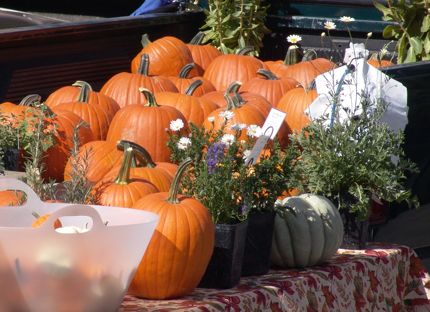
Pumpkins sit atop a farmer\'s table at the Yakima Farmers\' Market during the autumn months.

Roasted Duck with Honey-Cranberry Sauce

Varietal: Merlot

Serves 4

Duck and red wine make a natural pairing, and when you throw one of my favorite ingredients into the mix—dried, sweetened cranberries (sometimes referred to as “craisins”)—the “wow” factor goes up incrementally. This original recipe I created for my Wine Press Northwest food-and-wine-pairing column is easy enough for everyday dining, yet elegant enough for company. A touch of balsamic vinegar adds a complex sweetness, while Dijon mustard gives the sauce a subtle punch. Try the duck with a berry-rich, yet mellow Merlot. In the nose and on the palate, when quaffing Merlot, look for both sweet and black cherries, blueberries, and plums followed by musky hints of cigar box, chocolate, and leather. A whiff of mint or cedar/wood and a soupçon of sweet spices, such as nutmeg or cardamom, may also be present in these luscious, velvety wines.

1/2 cup dried cranberries

2 whole boneless duck breasts, split and trimmed of excess fat and nerve tissue

Kosher salt

Freshly ground black pepper

1 teaspoon ground allspice

1/4 cup dry red wine

1/2 cup honey

2 tablespoons freshly squeezed or frozen orange juice

2 teaspoons balsamic vinegar

1 tablespoon Dijon mustard

1. Preheat the oven to 375°F. Place the cranberries in a small bowl, cover with hot water, and allow to sit at room temperature for 10 to 15 minutes.

2. With the tip of a very sharp knife, score a criss-cross pattern at 1/4-inch intervals across the skin side of the duck breasts. (Do not cut all the way through into the meat.) Season the duck breasts on the flesh side only with salt and pepper. Sprinkle 1/4 teaspoon of allspice over the flesh side only of each breast.

3. Heat a large, ovenproof skillet (nonstick works well for this) over low to medium-low heat. When the skillet is hot, arrange the breasts skin side down without crowding. (Don’t add any extra fat; the fat rendered will be enough to cook the breasts.) Cook, draining the melted fat if needed, until the fat is rendered and the skin is crisp and brown, 8 to 12 minutes.

4. Turn the breasts, cook 1 to 2 minutes, and transfer to the oven. Cook 5 to 6 minutes more (for medium rare).

5. While the breasts are cooking, make the sauce. Heat a small saucepan over medium-high heat and add the wine, honey, orange juice, and balsamic vinegar. Stir until the honey dissolves and cook, stirring occasionally, until reduced slightly, 6 to 8 minutes.

6.  Remove from the heat and stir in the mustard. Season to taste with salt and pepper. Drain the cranberries and discard the liquid, then stir the cranberries into the sauce. Cover and keep warm until serving.

7. When the duck breasts are done, remove from the oven and transfer (skin side up) to several thicknesses of paper towels to drain any extra fat. Let rest 5 minutes before slicing each breast on the diagonal into even pieces.

8. To serve, arrange the sliced duck breast in the center of a dinner plate. Spoon the sauce and berries over the duck and serve immediately.

.

Dungeness Crab Flan

Posted on Monday, September 1, 2008
Other notes about: Recipe of the Month

Dungeness Crab is an iconic Northwest ingredient.

Dungeness Crab Flan

Varietal: Chardonnay or Pinot Blanc

Serves 4 as an appetizer

Dulces Latin Bistro is a neighborhood bistro located in the Madrona neighborhood of Seattle, a quiet residential area centrally located between downtown and Lake Washington. The husband-and-wife team of Carlos Sainz (host and sommelier) and Julie Guerrero (chef) owns the Mediterranean/Mexican-leaning space which features 1,000 labels on its wine list and has won the “Best of Award of Excellence” award from Wine Enthusiast magazine numerous times. Carlos specifically recommends two wines with Julie’s crab flan, a luscious garlic-y custard topped with the Northwest’s own fresh crab: Forgeron Cellars Chardonnay from Washington’s Columbia Valley or (crossing the ocean) Bruno Hunold Pinot Blanc from Alsace, France. One of my favorite Northwest-produced Pinot Blancs is made by Adelsheim Vineyard in the Willamette Valley.

1 clove garlic, minced

1 cup heavy whipping cream

4 egg yolks

1/4 teaspoon kosher salt

Dash of freshly ground black pepper

4 ounces Dungeness crabmeat, picked over for shells and cartilage

1 Roma tomato, cored, seeds removed, and diced

2 tablespoons chopped cilantro

1. Preheat the oven to 325°F. Lightly butter four small ramekins or custard cups.

2. In a medium mixing bowl, whisk the garlic, cream, egg yolks, salt, and pepper. Divide the custard mixture among the ramekins. Arrange the ramekins without crowding in a water bath, cover with foil, and bake 40 minutes, or until the custards are set in the middle and a knife inserted in the middle comes out clean.

3. While the custards are baking, gently toss the crabmeat with the tomato and cilantro, cover, and reserve.

4. Allow the custards to cool slightly, then unmold onto four small plates. Divide the crab mixture over the custards and serve immediately. The custards can also be prepared ahead, allowed to cool, covered, and refrigerated until serving, then served chilled.

.

Raspberry Shortcake with Rose Geranium Cream

Posted on Friday, August 1, 2008
Other notes about: Recipe of the Month

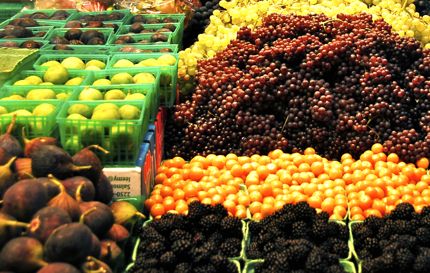
Beautiful summer fruits for sale at the Granville Island Farmers\' Market

Raspberry Shortcake with Rose Geranium Cream

Varietal: Dessert Wine (Late-Harvest Riesling)                                                           

Serves 8

For 17 years, Chef Jerry Traunfeld cooked at the venerable Herbfarm restaurant, famous the world over for its nine-course, prix-fixe dinners and wine pairings centered around regional, seasonal ingredients and a bounty of fresh herbs from the restaurant’s massive kitchen garden. In late 2007, he left to open his own restaurant, Poppy, named after his mother. Both restaurants emphasize the use of fresh herbs in the creative dishes, such as this super summer shortcake napped with rose-scented cream. Pair the dessert with a sweet, viscous, aromatic wine, such as a Late-Harvest Riesling, and toast to the bounty of summer! Leading Northwest producers include Kiona, Hogue, and Washington Hills, all from Washington State.

2 cups all-purpose flour

1 1/2 teaspoons baking powder

1/2 teaspoon baking soda

1/4 cup plus 2 tablespoons granulated sugar

1/4 teaspoon kosher salt

1/4 cup (1/2 stick) unsalted butter, chilled and cut into four pieces

1 cup sour cream

1/2 cup whole milk

Rose Geranium Cream (Recipe follows)

4 cups (2 pints) fresh raspberries

1. Preheat the oven to 425°F. Line a baking sheet with parchment paper and reserve.

2. Combine the flour, baking powder, baking soda, the 1/4 cup sugar, and salt in a medium mixing bowl. Cut in the butter with a pastry blender or two crisscrossed knives until the mixture resembles coarse meal. Stir in the sour cream and milk.

3. Drop the dough in eight mounds onto the prepared baking sheet. Sprinkle with the remaining 2 tablespoons sugar. Bake for 15 minutes, or until lightly browned. Transfer the biscuits to a wire rack to cool slightly before splitting.

4. To serve, cut the biscuits in half horizontally. Put the bottom halves on dessert plates and spoon large dollops of Rose Geranium Cream over each. Cover with berries, letting them spill out the sides, and replace the biscuit tops. Serve immediately.

Rose Geranium Cream

Makes about 1 1/2 cups

1 1/2 cups heavy whipping cream

12 large fresh rose geranium leaves

1. Bring the cream to a boil in a small saucepan. Add the rose geranium leaves, cover, remove from the heat, and allow to sit at room temperature for 30 minutes. Strain into a small mixing bowl, pressing the solids with a wooden spoon to force out as much cream as possible. Discard the rose geranium, cover the cream, and refrigerate until completely chilled.

2. Just before serving, whip the chilled cream to medium-soft peaks.

Cook’s Hint: To measure flour in this recipe, Jerry recommends spooning the flour into the measuring cup, then leveling it off with a straight edge (such as a kitchen knife). To be even more precise, measure your flour using a kitchen scale; it should weigh 9 ounces.

Recipe reprinted from the Pike Place Market Cookbook, Second Edition (Sasquatch Books, $18.95) by Braiden Rex-Johnson.

.

Kay’s Cherries in Red Wine

Posted on Thursday, July 3, 2008
Other notes about: Recipe of the Month

Farmers\' market cherries

Kay’s Cherries in Red Wine
Varietal: Dessert Wine (Ruby Port)

Serves 6

Kay Simon, co-owner with her husband Clay Mackey of Chinook Wines, is not only a talented winemaker, but a gifted cook who uses the foods of the season to create inspired original recipes. Here, she marinates fresh summer cherries in a Merlot-Brandy syrup flavored with cinnamon and lemon. The cherries make a lovely topping for sponge cake or chocolate cake, or simply enjoy them with a dollop of crème fraîche and a glass of Ruby Port, whose berry notes mirror the berry flavors in the marinated fruit.

2 cups Merlot or other dry red wine

1 cup granulated sugar

1 3-inch-long cinnamon stick

Zest of 1 medium lemon

Juice of 1/2 medium lemon

2 tablespoons Brandy

2 pounds fresh Bing or sweet cherries, rinsed, patted dry, and pitted

Homemade or store-bought sponge or chocolate cake

Fresh mint sprigs

1. In a small, nonreactive saucepan combine the Merlot, sugar, cinnamon stick, lemon zest, lemon juice, and Brandy until the sugar is dissolved. Bring to a boil, then reduce the heat and simmer until the liquid reduces slightly and reaches a light syrup-y consistency, 20 minutes. Remove and discard the cinnamon stick and cool the syrup.

2. Place the cherries in a medium nonreactive bowl with a tight lid and pour the cooled syrup over them. Cover and marinate the cherries at least 1/2 hour and up to 2 hours at room temperature, turning several times. For longer storage, place the cherries in the refrigerator for up to 2 weeks.

3. To serve, slice the cake and position the slices in dessert bowls or wine goblets. Divide  the cherries and syrup over the slices, add a dollop of crème fraîche, and top with the mint sprigs.

.


  Copyright © 2007 - 2008 Northwest Wining and Dining